
Keep Exploring
Related Posts
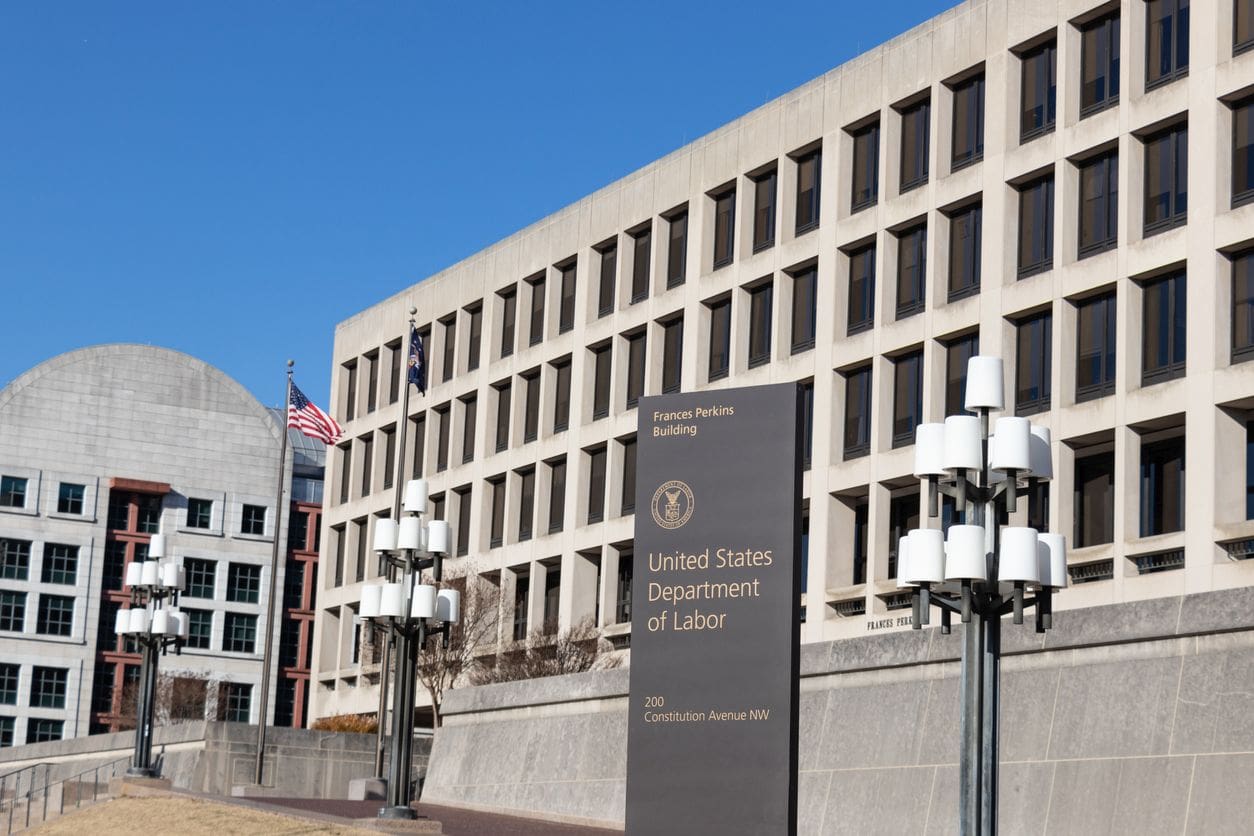
Sen. Risch Introduces Senate Companion to House-Passed Affordable HOMES Act
U.S. Senator Jim Risch (R-Idaho) has introduced the Senate companion to Representative Erin Houchin’s House-passed Affordable Housing Over Mandating Efficiency Standards (HOMES) Act. While the 21st Century ROAD to Housing Act reaffirmed HUD as the primary regulator for manufactured housing standards, some conflicting statutory overlap with the Department of Energy remains.
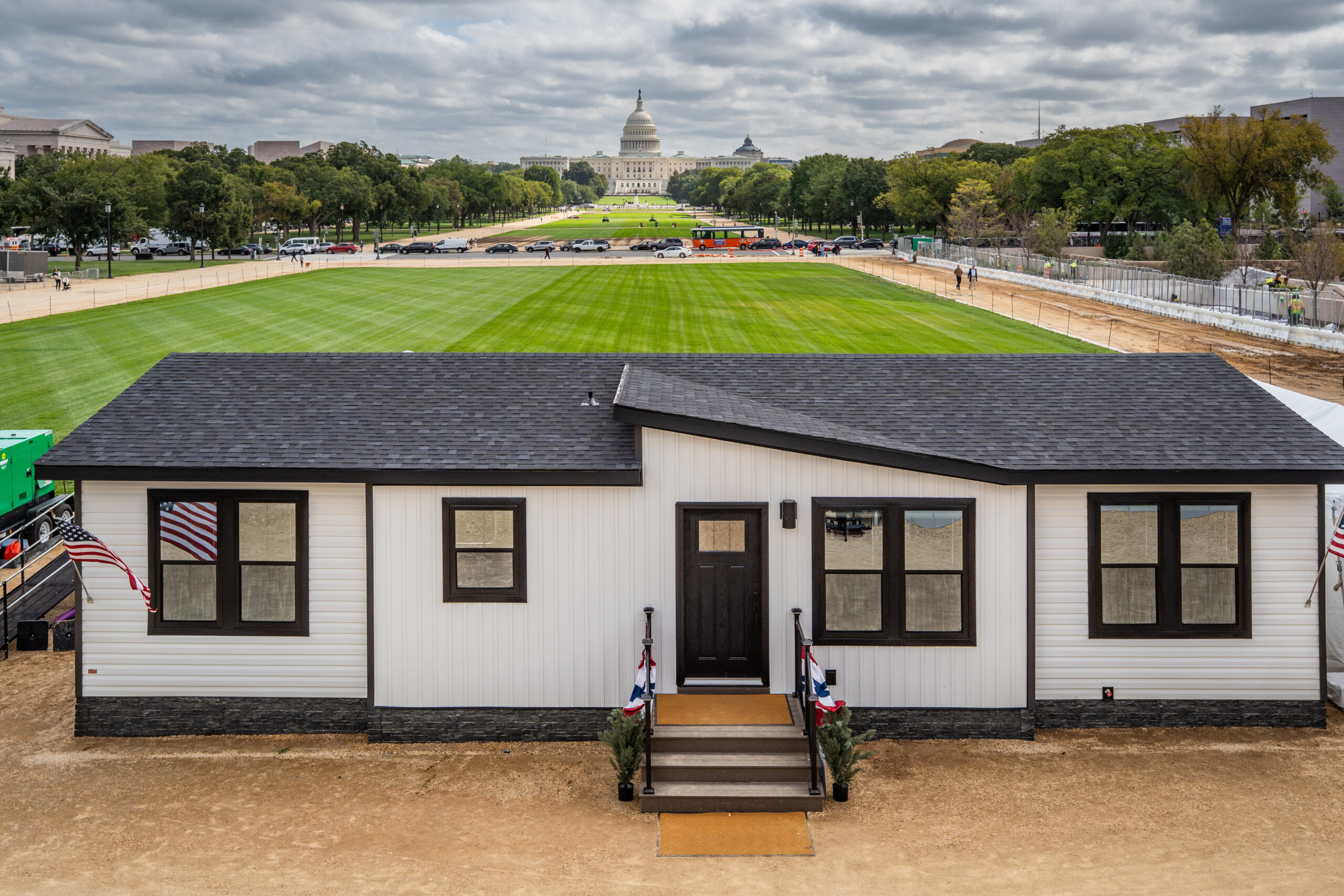
MHI’s Annual Meeting Brings Manufactured Housing to the Heart of Washington, D.C.
MHI’s 2026 Annual Meeting brought members from across the manufactured housing industry together in Washington, D.C., for three days of advocacy, education and direct engagement with policymakers.

MHI Launches New Campaign to Highlight Land-Lease Model in Tackling Attainable Housing Supply Crisis
MHI has launched MHCommunitiesUSA.org, a new resource designed to increase understanding of manufactured home communities and the important role they play in providing quality, attainable housing across the country.
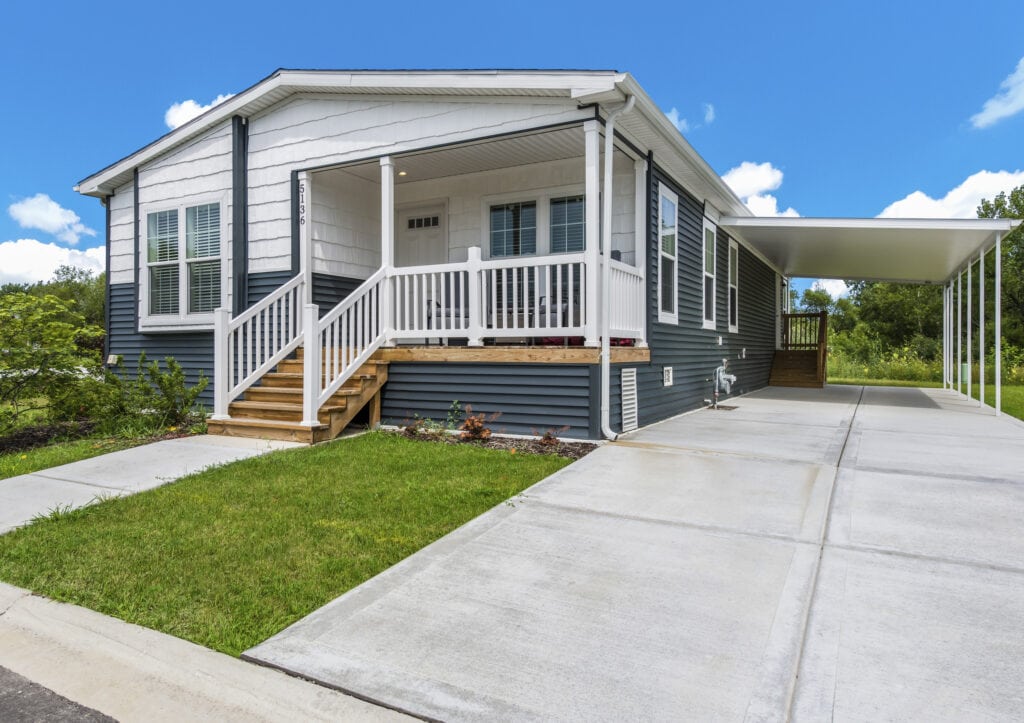
Manufactured Housing Front and Center in State & Local Housing Policy Discussions
MHI CEO Dr. Lesli Gooch delivered a keynote address October 2 at the University of Wisconsin-Madison’s Wisconsin Real Estate & Economic Outlook Conference.
Sen. Risch Introduces Senate Companion to House-Passed Affordable HOMES Act
U.S. Senator Jim Risch (R-Idaho) has introduced the Senate companion to Representative Erin Houchin’s House-passed Affordable Housing Over Mandating Efficiency Standards (HOMES) Act. While the 21st Century ROAD to Housing Act reaffirmed HUD as the primary regulator for manufactured housing standards, some conflicting statutory overlap with the Department of Energy remains.
MHI’s Annual Meeting Brings Manufactured Housing to the Heart of Washington, D.C.
MHI’s 2026 Annual Meeting brought members from across the manufactured housing industry together in Washington, D.C., for three days of advocacy, education and direct engagement with policymakers.