Posts

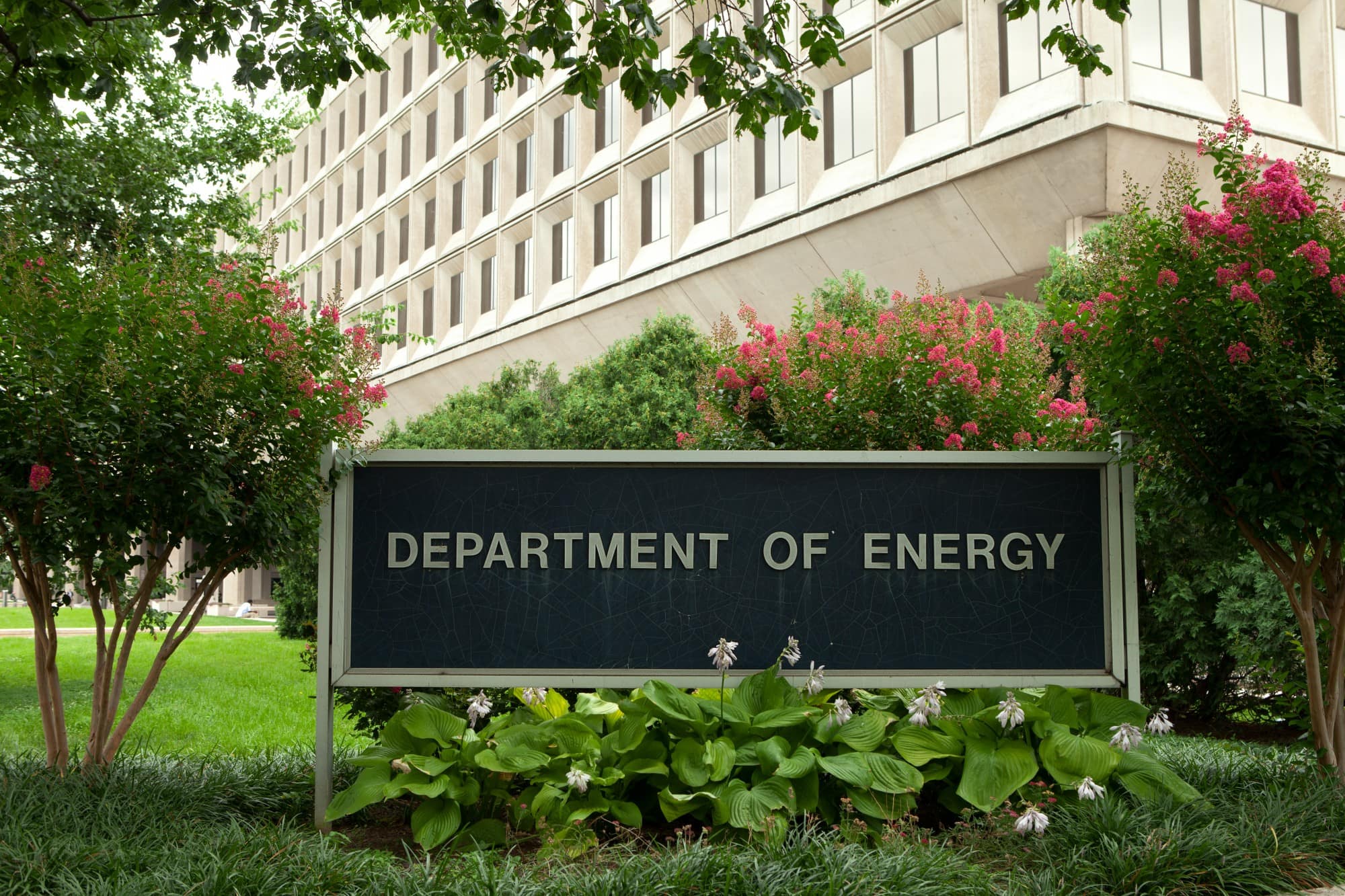
The Manufactured Housing Consensus Committee (MHCC) met January 27–28 to respond to the U.S. Department of Energy’s (DOE) effort to reconsider its 2022 Energy Conservation Standards for manufactured housing. DOE issued what it calls a “Request for Information,” essentially asking for feedback as the Administration reevaluates the flawed DOE Final Rule and the way DOE conducted its rulemaking and analysis. This review is a significant development for the industry, and the MHCC’s work this week will help shape HUD’s formal response back to DOE.

Throughout the two‑day meeting, MHI’s representatives on the MHCC and MHI’s Technical Activities Committee (TAC) leaders played a critical role, and MHI staff provided extensive information, technical analysis, and comments to support the Committee’s deliberations. Their engagement ensured that the MHCC had the full benefit of the industry’s real‑world experience with energy standards, construction feasibility, costs, consumer impacts, and HUD Code processes.

Despite changes in MHCC membership since 2022, the Committee’s position on DOE’s approach remained consistent and firm. In a unanimous vote, the MHCC adopted recommendations to HUD that clearly convey the industry’s longstanding concerns about DOE’s rule and emphasize HUD’s proper role as the nation’s manufactured housing regulator.

In its general comments to HUD, the MHCC stressed several core principles:

  • Energy standards should be updated—but only through HUD’s regulatory process, with full MHCC review, as federal law requires.
  • The International Energy Conservation Code (IECC) is not appropriate for manufactured housing, because it is unworkable, unaffordable, and incompatible with the factory‑built construction, transportation, and installation processes unique to the industry.
  • DOE’s 2022 Final Rule still contains major analytical, enforcement, and feasibility deficiencies that fail to account for fundamental aspects of manufactured home design and production—areas where HUD and the MHCC have decades of proven expertise.
  • Additional regulatory layers, such as separate DOE standards, unnecessarily increase home costs, directly undermining affordability for the very low‑, low‑, and moderate‑income families the industry serves.
  • DOE’s process appeared to circumvent or misunderstand the established federal manufactured housing standards system, causing conflicts with the HUD Code and creating requirements that cannot be implemented at scale.

The MHCC’s feedback closely aligned with MHI’s detailed comments submitted to HUD in advance of the meeting. The MHCC relied heavily on MHI’s technical analysis and policy arguments in crafting its responses. Notably—yet again—DOE did not attend the MHCC’s public meeting, leaving critical questions about its understanding of manufactured housing and the HUD Code process unresolved.

MHI extends sincere thanks to our industry members serving on the MHCC, to the TAC leadership, and to all members who helped prepare for the meeting. Their expertise and commitment ensured that the industry’s voice was clearly, consistently, and unanimously reflected in the MHCC’s recommendations. MHI will continue to work with HUD, the MHCC, and policymakers to ensure any future energy standards for manufactured housing are achievable, affordable, and developed through the correct regulatory process.

Keep Exploring

Related Posts
January 30, 2026

Industry Veteran Discusses Housing Crisis

In this video from UMH Properties Inc., Eugene Landy, Founder and Chairman of UMH Properties Inc., discusses the company’s vision and approach to addressing the affordable housing crisis. In the video, he emphasizes that UMH focuses on efficiency, customer satisfaction and long-term value.

January 29, 2026

Video: Valley Vista Village: A New Model for Attainable, High-Quality Homeownership in California

Valley Vista Village stands as a compelling blueprint for other communities facing similar challenges: affordable and beautiful homes that are built for the future.

October 7, 2025

MHI’s Annual Meeting Recognizes Award Winners

During the 2025 Annual Meeting, several members were recognized for their achievements with special awards.

February 5, 2026

Invest in the Future of Manufactured Housing

Manufactured housing production declined 3.9% year‑over‑year in December and decreased 0.6% in total during 2025. December shipments fell, with single‑section units down 6.5% and multi‑section units down 1.6%; for 2025 overall, single‑section shipments dropped 4.7% while multi‑section shipments rose 2.7%.

MHI Economic Report Reveals December and 2025 Year-End Data

Manufactured housing production declined 3.9% year‑over‑year in December and decreased 0.6% in total during 2025. December shipments fell, with single‑section units down 6.5% and multi‑section units down 1.6%; for 2025 overall, single‑section shipments dropped 4.7% while multi‑section shipments rose 2.7%.

Virginia: Zoning Board Approves HUD Code Duplex

On Monday, the Isle of Wight County Board of Zoning Appeals voted to approve a variance allowing the placement of a HUD Code single‑section duplex manufactured home, overcoming a zoning barrier that had stalled installation for more than a year. This decision is significant not just locally, but nationally, as it affirms that the new 2-4 unit designs approved under the latest changes to the HUD Code can and should be permitted within existing zoning frameworks designed for manufactured housing.