
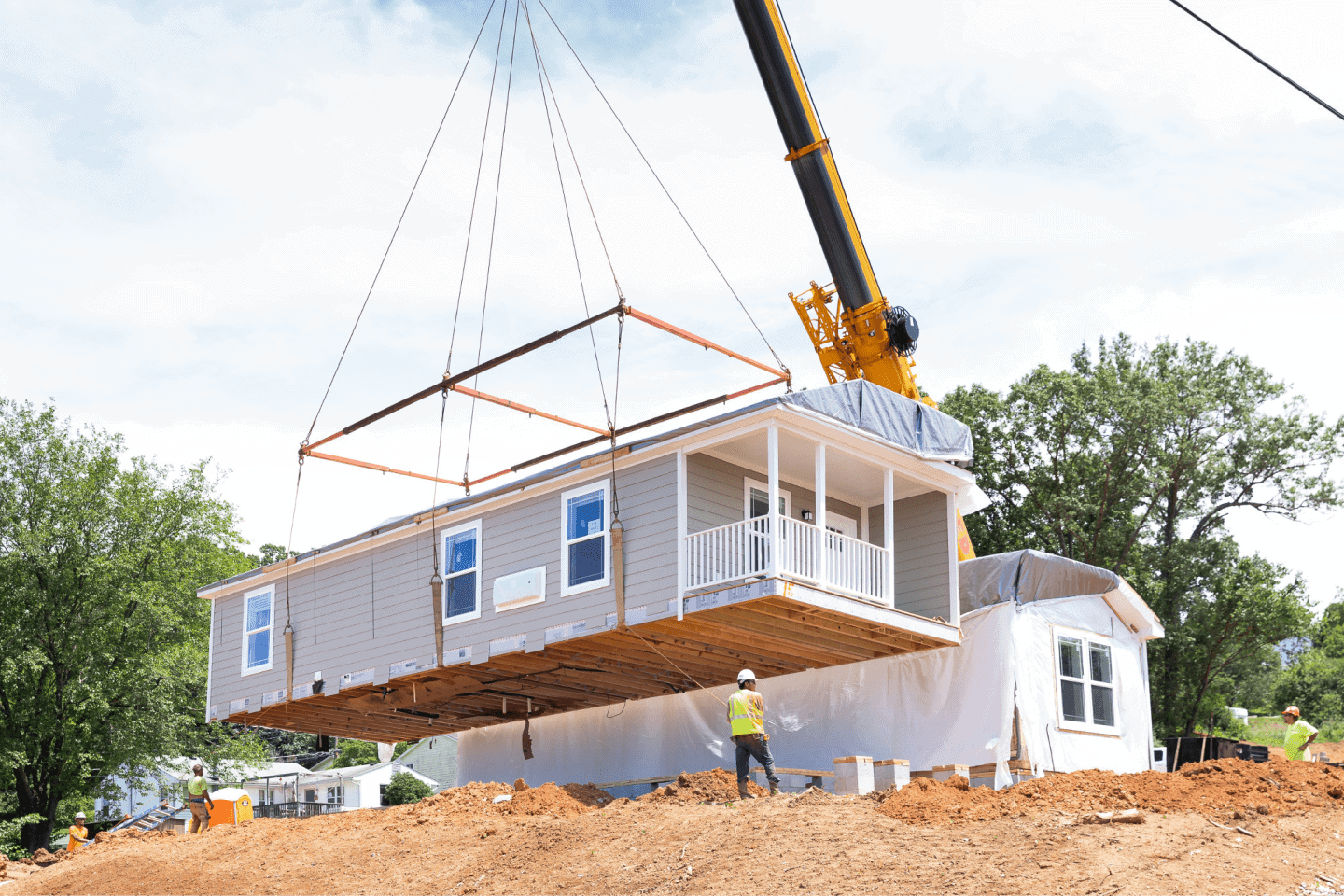
| The 21st Century ROAD to Housing Act represents far more than a series of federal policy victories. It gives the manufactured housing industry new tools to challenge zoning barriers, improve approval processes and expand opportunities for HUD Code homes and manufactured home communities.
MHI has prepared a new resource explaining the law’s most important zoning and land-use provisions and how members and state associations can use them in their advocacy. The guide translates the federal legislation into practical opportunities at the state and local levels. Its central message is clear: federal housing policy increasingly supports objective, construction-neutral standards and faster, more predictable approval processes. That matters to every segment of the industry. Manufacturers need places where homes can be located. Retailers need communities and individual lots where customers can place the homes they purchase. Community owners and developers need reasonable zoning, permitting and environmental review processes. Lenders, suppliers, installers and service providers all depend on a healthy pipeline of new homes and communities. When zoning or permitting prevents a manufactured home from being placed, the impact is felt throughout the industry. |
|
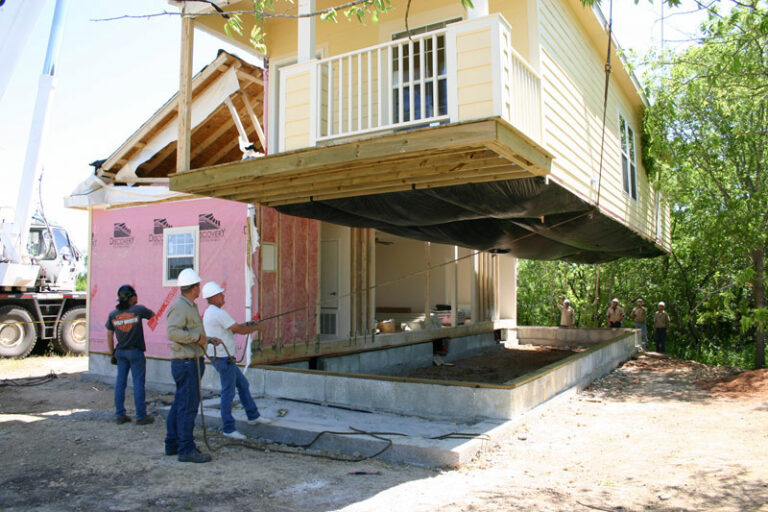
Federal Support for Zoning ReformSection 107 of the 21st Century ROAD to Housing Act directs HUD to publish voluntary housing-supply frameworks for states and local governments. These frameworks must specifically include manufactured housing and recognize that zoning and land-use barriers contribute to the national housing shortage. This gives the industry additional federal support when asking state and local officials to modernize zoning ordinances, remove unnecessary restrictions and allow manufactured homes wherever comparable site-built homes are permitted. The law also creates incentives for local governments to increase housing production. Sections 207 and 208 provide funding for planning, regulatory modernization, inspection capacity and permitting improvements. The new Innovation Fund will reward jurisdictions that achieve measurable increases in housing supply through reforms such as streamlined permitting, density changes and zoning modernization. Section 213 ties a portion of Community Development Block Grant funding to local housing-production performance, giving communities another reason to examine whether their policies are unnecessarily limiting manufactured housing. These provisions change the conversation. Removing barriers to manufactured housing is no longer simply an industry request. Congress has identified regulatory reform and increased housing production as national priorities. Faster and More Predictable ApprovalsSeveral provisions are intended to reduce delays that increase development costs and prevent housing projects from moving forward. Sections 205 and 206 streamline environmental review requirements and reduce duplicative processes. Section 209 supports the use of pre-reviewed housing designs to speed local approvals. These reforms are especially relevant to factory-built housing. Manufactured homes are constructed under a comprehensive federal building code using standardized designs and a highly regulated inspection process. Requiring those homes to repeatedly navigate unnecessary or duplicative local reviews adds time and cost without improving safety. MHI’s guide encourages state associations and members to advocate for HUD Code homes to be included in pre-approved design programs and other streamlined approval processes. Expanding Placement OpportunitiesSection 301 allows manufactured homes to be constructed with or without a permanent chassis. This reform removes an outdated federal distinction that has often been used by state and local governments to treat manufactured homes differently from other housing. It can provide manufacturers with greater design flexibility and create new opportunities for HUD Code homes to meet local development and placement needs. The next step will be to review state statutes, regulations and local ordinances that continue to rely on the permanent-chassis distinction. MHI will work with state associations and members to identify those provisions and pursue changes that align state and local policies with the new federal law. Turning a Federal Victory Into Local ResultsPassage of the 21st Century ROAD to Housing Act was a major victory. But the full value of the law will be realized through implementation and direct engagement at the state and local levels. The new guide provides a roadmap for that work. Each section identifies the federal provision, explains its relevance to manufactured housing and recommends actions that state associations and industry members can take. We encourage members to review the guide, share it with their teams and use it in conversations with state legislators, housing agencies, planning officials and local governments. A federal law does not automatically change a local zoning ordinance. It does, however, strengthen our case, create new incentives for reform and give policymakers additional reasons to support manufactured housing. |
Keep Exploring
Related Posts
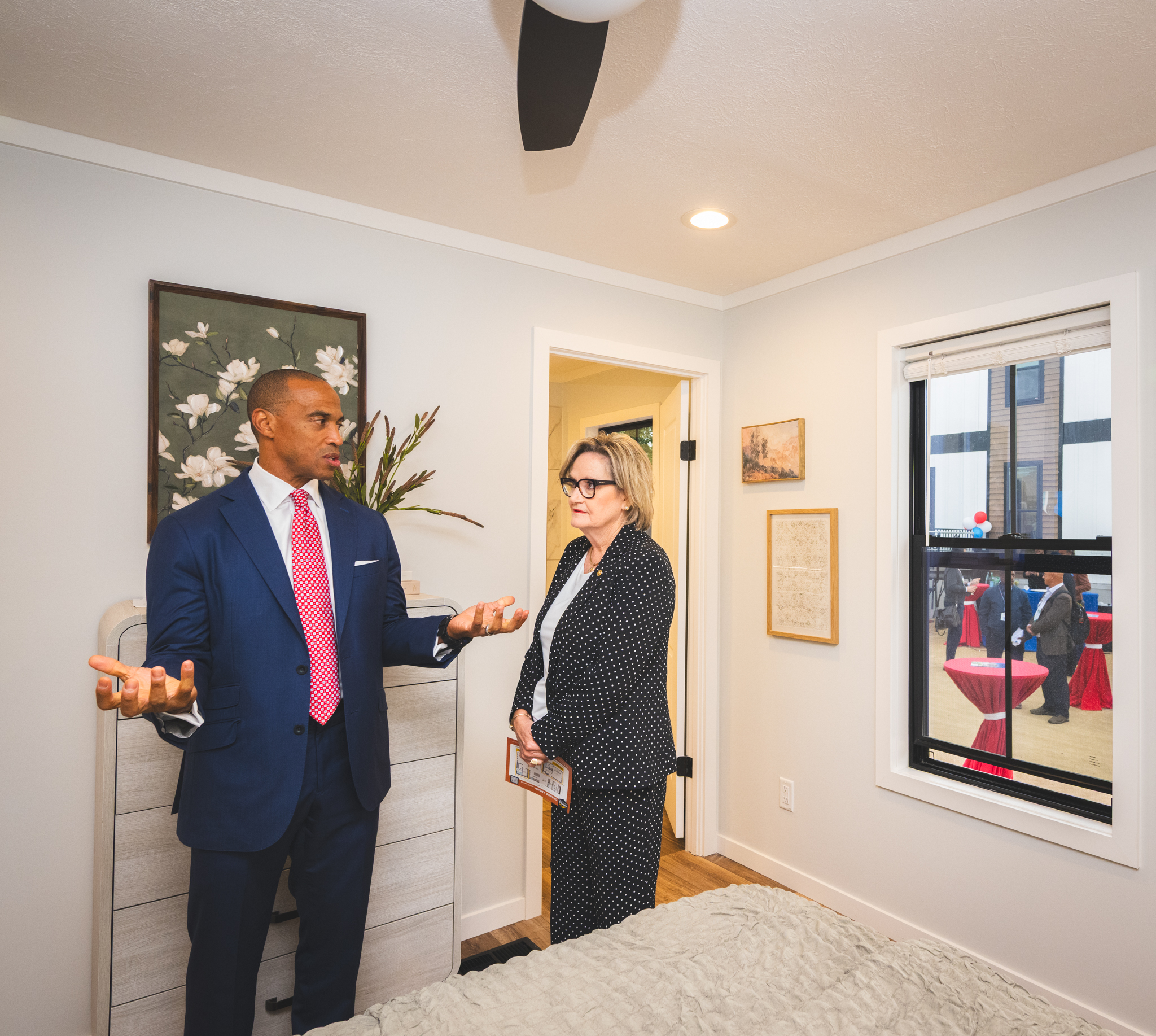
HUD Leaders Spotlight Manufactured Housing in National Housing Discussion
Senior HUD officials are highlighting the quality of today’s manufactured homes and making the public case for expanding their contribution to the nation’s housing supply.

MHI’s Annual Meeting Brings Manufactured Housing to the Heart of Washington, D.C.
MHI’s 2026 Annual Meeting brought members from across the manufactured housing industry together in Washington, D.C., for three days of advocacy, education and direct engagement with policymakers.

MHI Welcomes HUD Secretary Scott Turner as Featured Keynote Speaker
MHI is excited to announce that U.S. Department of Housing and Urban Development (HUD) Secretary Scott Turner will deliver remarks during the industry briefing at the MHI Annual Meeting featuring MHI on the Hill.
HUD Leaders Spotlight Manufactured Housing in National Housing Discussion
Senior HUD officials are highlighting the quality of today’s manufactured homes and making the public case for expanding their contribution to the nation’s housing supply.
MHCC to Consider Construction Standards and State Consistency
The Manufactured Housing Consensus Committee (MHCC) will meet October 27–28 to consider recommendations supporting implementation of the 21st Century ROAD to Housing Act.

HUD Opens New Financing Opportunity for Manufactured Rental Housing
This page is available to MHI members only. If you are already…